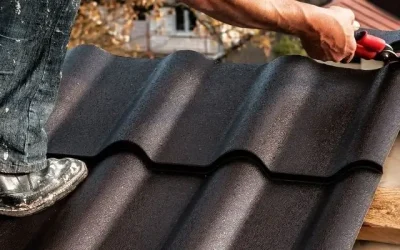
A roof inspection is one of those things many homeowners put off until there’s an obvious problem. But by the time a leak shows up on your ceiling, the damage has usually been building for a while. Understanding what actually happens during an inspection makes it easier to see the value in getting one done before things go wrong.
What Triggers Most Inspection Requests in Darwin
Darwin’s wet season puts roofs under serious pressure. Heavy rain, high winds, and intense UV exposure between seasons create conditions that accelerate wear faster than in most other Australian cities.
Most homeowners book an inspection after a storm, before buying or selling a property, or when they notice something that doesn’t look right. Others book one simply because their roof hasn’t been looked at in years and they want to know where things stand.
What a Roof Inspector Actually Checks
The inspection covers far more than a visual scan for obvious damage. A thorough assessment looks at the roof surface, the drainage system, flashing, penetrations, and any areas where water could enter or pool.
The Roof Surface
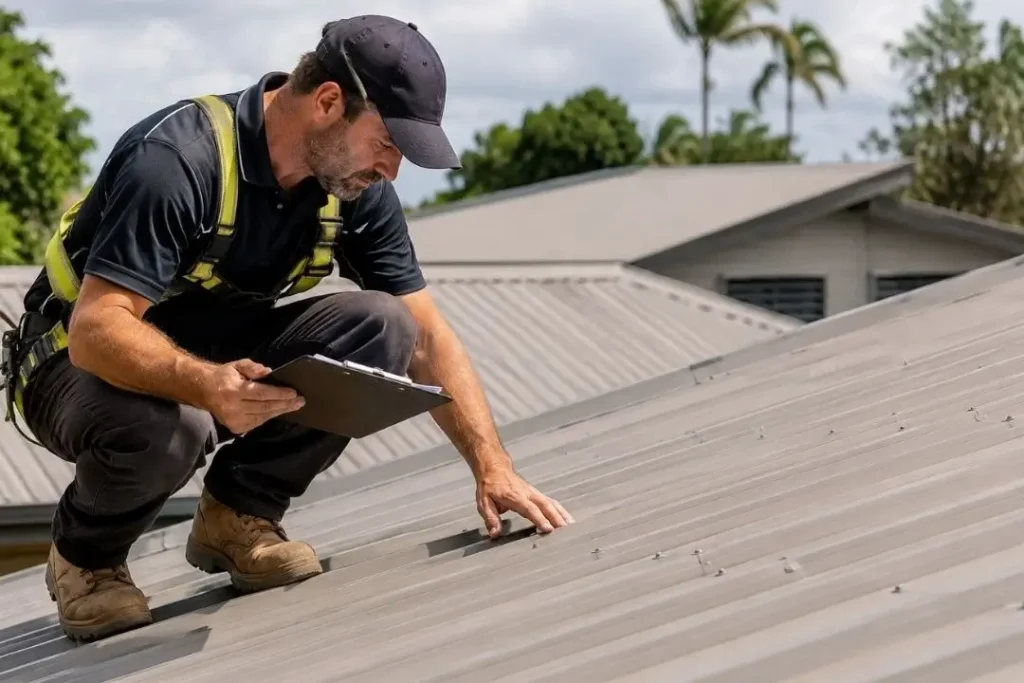
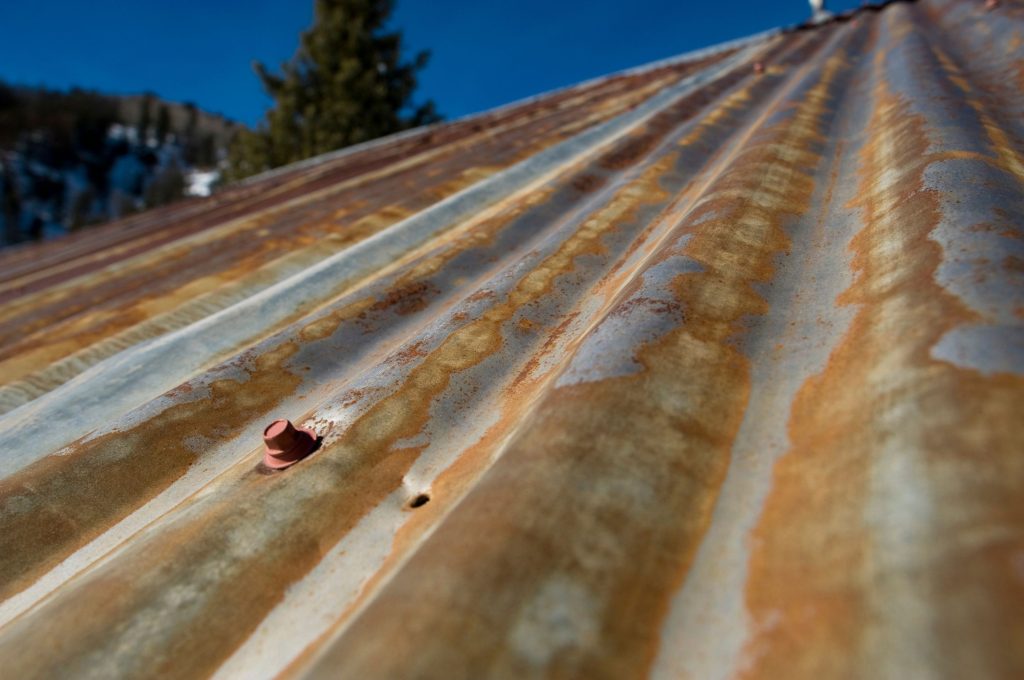
The inspector examines the condition of your roofing material, whether that’s Colorbond, corrugated iron, tiles, or another system. They look for corrosion, cracking, lifting, missing fasteners, and areas where the surface has deteriorated.
In Darwin, UV degradation and thermal movement are common causes of surface wear. Roofing materials expand and contract significantly in the heat, which can loosen fixings and open up gaps over time.
Gutters and Drainage
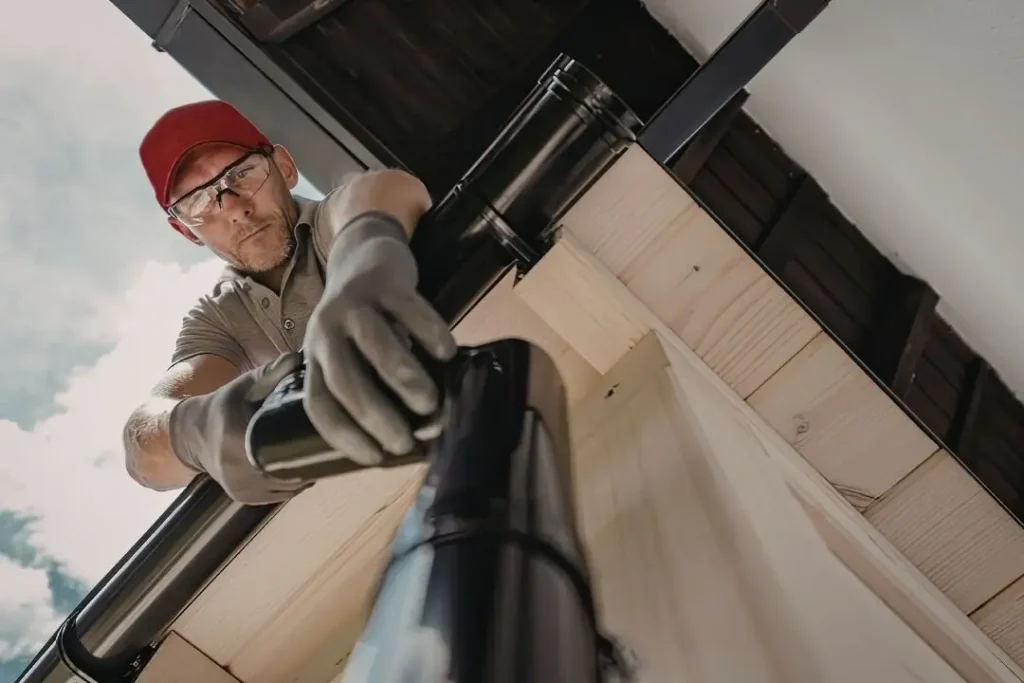
Gutters, downpipes, and drainage paths are checked for blockages, damage, and incorrect fall. Poor drainage is one of the most common contributors to water damage in Darwin homes, particularly during the wet season when rainfall is heavy and sustained.
The inspector will also check whether water is being directed away from the building correctly, or whether it’s pooling near the structure.
Flashing and Penetrations
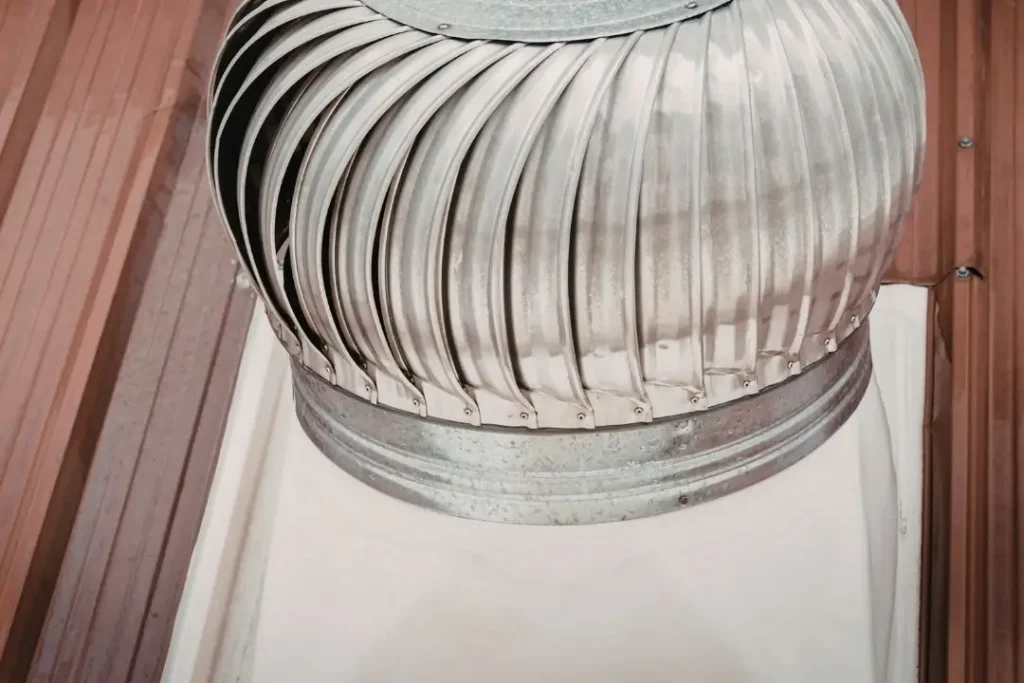
Flashing sits around roof penetrations like vents, skylights, and air conditioning units. These are high-risk areas because they require seals and joins that can fail over time.
The full roof inspection process assesses drainage, flashing, and compliance-related issues alongside visible surface damage. Inspectors are trained to identify problems that aren’t obvious from the ground.
The Roof Structure
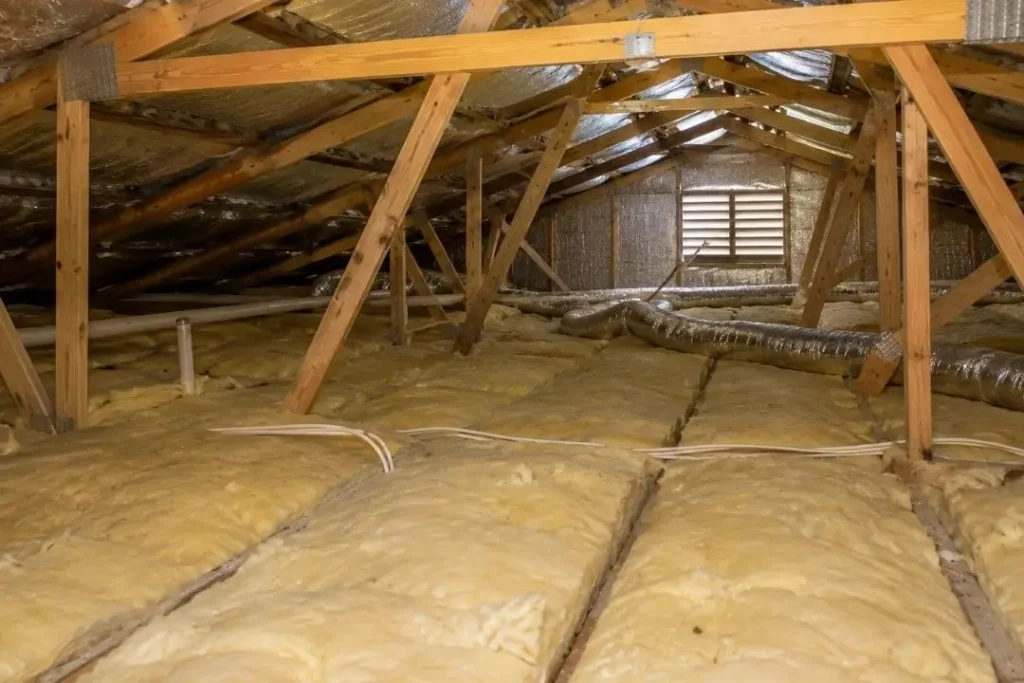
Where accessible, the inspector will look at the underside of the roof from inside the roof space. This includes checking for signs of moisture, sagging, timber damage, and any structural concerns that may not be visible from outside.
How Long the Inspection Takes
Most residential roof inspections in Darwin take between 45 minutes and two hours, depending on the size and complexity of the roof. A straightforward single-storey home with a simple roof pitch will take less time than a multi-level property with multiple penetrations and a complex drainage layout.
The inspector will usually walk you through their findings on the day, so you leave with a clear picture of what they found rather than waiting for a written report to make sense of it.
What the Condition Report Covers
After the inspection, you receive a roof condition report that documents what was found. This typically includes photographs, a description of any damage or defects, and a recommendation on whether repairs or further assessment are needed.
The report is useful for several reasons. If you’re buying a property, it gives you an independent view of the roof’s condition before you commit. If you already own the home, it helps you prioritise maintenance and plan ahead for any costs.
If the report identifies significant deterioration, your inspector will talk you through the options and help you understand whether repairs or a full replacement makes more sense for your situation.
What Happens If Problems Are Found
Not every inspection leads to major work. Many inspections confirm that a roof is in reasonable condition with only minor maintenance needed.
When issues are found, the inspector will explain what needs attention and how urgently. Some defects are cosmetic or low-risk. Others, like failing flashing or structural movement, need to be addressed promptly to avoid more serious damage during the next wet season. On an older roof with significant wear, it’s worth understanding what a roof replacement costs in Darwin before committing to repairs, since extensive patching isn’t always the most practical long-term solution.
Minor defects are often straightforward to resolve. Roof inspections Darwin homeowners book through us include an honest assessment of what’s needed, without pressure to commit to work that isn’t necessary.
When to Book an Inspection
The best time to book is before the wet season starts, so any issues can be addressed while conditions allow safe roof access. Post-wet-season inspections are also useful for identifying damage that accumulated over the months of heavy rain.
If you’ve recently had a significant storm, or if your roof is more than ten years old and hasn’t been inspected, those are both good reasons to get someone up there to take a proper look.
Book a Roof Inspection Before the Next Wet Season
If you’re not sure what condition your roof is in, an inspection is the most straightforward way to find out. Our team covers residential and commercial properties across Darwin, and we’ll give you a clear, honest report on what we find.
To arrange an inspection or ask a question about your roof, send us a message through our online enquiry form or call us directly on (08) 7918 1849.