Why Rain Exposes Problems Your Roof Has Been Hiding
A roof can look perfectly fine for months, then a heavy downpour arrives and water starts appearing inside. That is not bad luck. It usually means a problem was already there, and the rain simply gave it enough pressure to show itself.
Darwin’s wet season is particularly unforgiving. The volume and intensity of rainfall here puts roofs under sustained stress that most other Australian cities never experience. Understanding why leaks happen is the first step toward fixing the right thing.
The Most Common Entry Points for Water
Flashing That Has Lifted or Corroded

Flashing is the metal sheeting installed around roof penetrations, valleys, and edges to redirect water away from joints. Over time, it lifts, corrodes, or separates from the surface it was sealed against.
Once that seal breaks, water finds the gap immediately during heavy rain. The entry point is often small, but water travels along rafters and sarking before it becomes visible on your ceiling, making the source difficult to trace without a proper inspection.
Blocked or Overloaded Gutters and Drainage

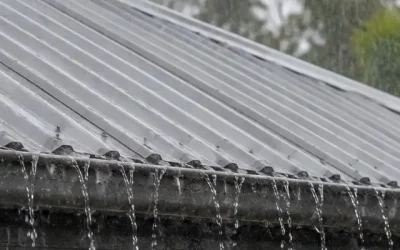
Gutters that are full of leaves, debris, or sediment cannot shift water fast enough during a tropical downpour. Water backs up, sits against the fascia, and eventually finds its way under the roofline.
In Darwin, this problem compounds quickly during the wet season when debris accumulates rapidly. Preparing your roof before the wet season includes clearing drainage pathways so water has a clear route off the roof.
Aged or Cracked Penetration Seals

Every pipe, vent, skylight, or antenna that passes through your roof creates a penetration point. Each one is sealed with a collar, boot, or flashing that degrades over time due to UV exposure and heat cycling.
When those seals crack or shrink, water enters around the penetration during rain. Once it does, it can travel well beyond the entry point – flashing failures, blocked drainage, and deteriorating seals are among the most common causes of water ingress in roofing that goes undetected until it appears on the ceiling.
Damaged or Displaced Roofing Material

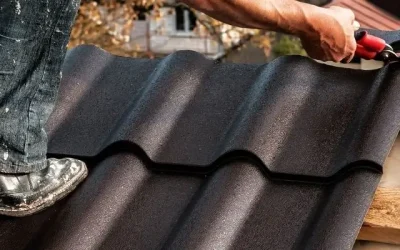
Corrugated iron and metal roofing sheets can lift at the fixings, develop rust holes, or sustain impact damage from debris during storms. Even a small gap in the roof surface is enough to let significant water in under sustained rainfall.
Tiles, where used, can crack or slip out of alignment. Either way, the underlying sarking or roof structure absorbs the water until it saturates and starts dripping through.
Why the Leak Rarely Appears Directly Above the Entry Point
One of the most frustrating aspects of a roof leak is that the wet patch on your ceiling is almost never directly below where the water entered. Water follows the path of least resistance, running along beams, insulation, and sarking before pooling somewhere lower.
This is why tracing a leak without getting into the roof space is unreliable. A professional inspection looks at the actual entry point, not just the visible damage inside.
How Darwin’s Climate Accelerates Roof Deterioration
The combination of extreme UV, high humidity, and cyclone-season wind loads puts Darwin roofs under conditions that age materials faster than in temperate climates. Metal expands and contracts significantly with temperature swings, which gradually loosens fixings and opens up laps in sheeting.
Strong winds during the wet season can expose weak points that were never visible before. Regular maintenance and inspections reduce the risk of leaks and storm damage by catching deterioration before it becomes a structural problem.

What Happens If a Leak Is Left Unaddressed
Water that enters the roof cavity does not stay contained. It saturates insulation, promotes mould growth, and can cause timber framing to rot over time. Electrical wiring in the roof space is also at risk once water starts pooling.
What starts as a minor drip after heavy rain can become a significant repair job within a single wet season if the entry point is not sealed. Acting early keeps the scope of work, and the cost, manageable.
What to Do After You Notice a Leak
Document the leak as soon as it appears. Take photos of where water is entering, note which areas of the ceiling are affected, and check whether the leak is consistent or only occurs during heavy rain or wind-driven rain from a particular direction.
That information helps a roofer identify the likely source before they even get on the roof. Avoid attempting to seal the roof yourself with tape or sealant products without knowing the actual entry point, as this can trap moisture and cause further damage.
A qualified roofer will inspect the roof surface, flashings, gutters, and penetrations to locate the source accurately. Experienced roofing contractors will address the cause rather than masking the symptom.

Talk to a Darwin Roofer About What You Are Seeing
If your roof has started leaking after rain, the sooner it is looked at, the better. Our team works across Darwin on residential and commercial properties, diagnosing leaks and carrying out lasting roof repairs that hold up through the wet season.
For roof repair Darwin locals trust, book an inspection or get advice by calling us directly on (08) 7918 1849.