
Why the Wet Season Hits Darwin Roofs Harder Than Most
Darwin’s wet season runs from roughly October through to April, bringing intense rainfall, high humidity, and the real possibility of cyclonic winds. A roof that holds up fine through the dry months can develop serious problems once the rain sets in consistently.
The combination of heat, moisture, and wind load puts stress on fixings, flashings, and roofing sheets in ways that are easy to miss until water is already getting in. Getting ahead of the season is far more practical than dealing with damage mid-storm.
What to Check Before the Rains Arrive
A pre-wet season roof check covers more than just looking for obvious holes or broken tiles. The areas that cause the most trouble are often the ones that are hardest to see from the ground.
Roof Fixings and Sheet Condition
In Darwin’s climate, metal roofing is common, and the fixings that hold sheets in place are a known weak point. Corrosion around screw heads, loose or missing fasteners, and sheets that have started to lift at the edges are all signs that the roof may not hold up under cyclone-strength gusts.
Inspecting the roof space for corrosion, failing fixings, and structural damage before cyclone season is a standard part of preparing your home for cyclone season in the Territory. If you are not comfortable going up yourself, a licensed roofer can do this safely.
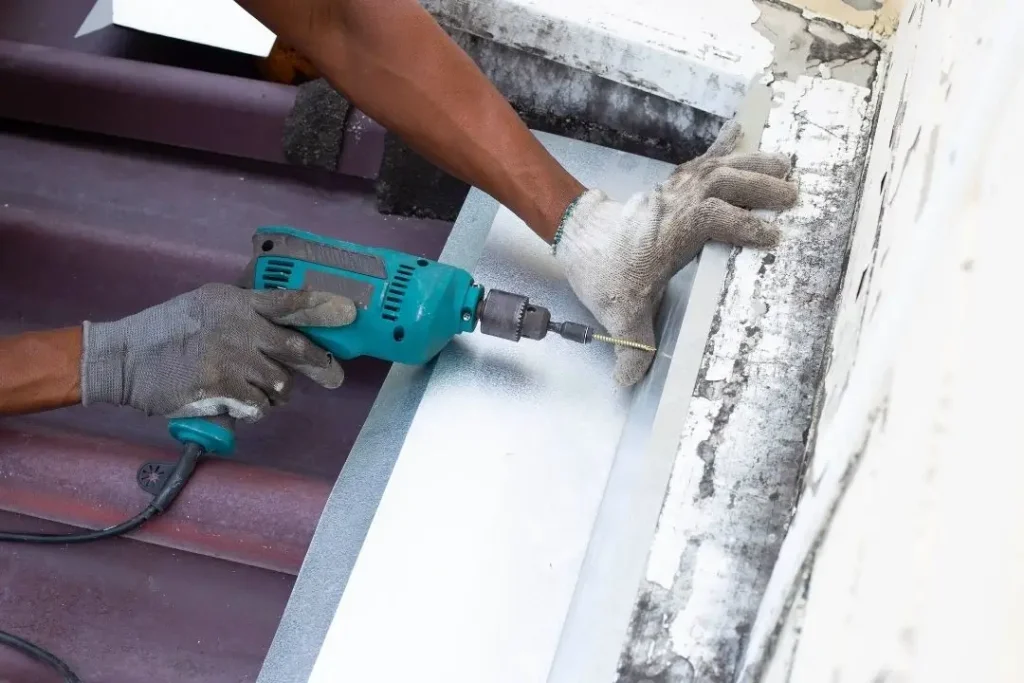
Flashings and Penetrations
Flashings seal the joins around skylights, vents, pipes, and where the roof meets walls. These are common entry points for water, particularly when sealant has dried out or cracked over a hot dry season.
Even a small gap in a flashing can allow significant water ingress once heavy rain is falling consistently for days at a time. Any flashing that looks lifted, cracked, or poorly sealed should be addressed before October.
Gutters and Downpipes
Darwin’s wet season delivers large volumes of rain in short periods. Gutters blocked with leaf litter, dirt, or debris from the dry season will overflow quickly, directing water against fascias, eaves, and the base of walls.
Downpipes should be clear and discharging water well away from the building’s footings. If your gutters are sagging or pulling away from the fascia, that is a structural issue that needs attention before the rain arrives, not after.
Roof Valleys and Low-Pitch Areas
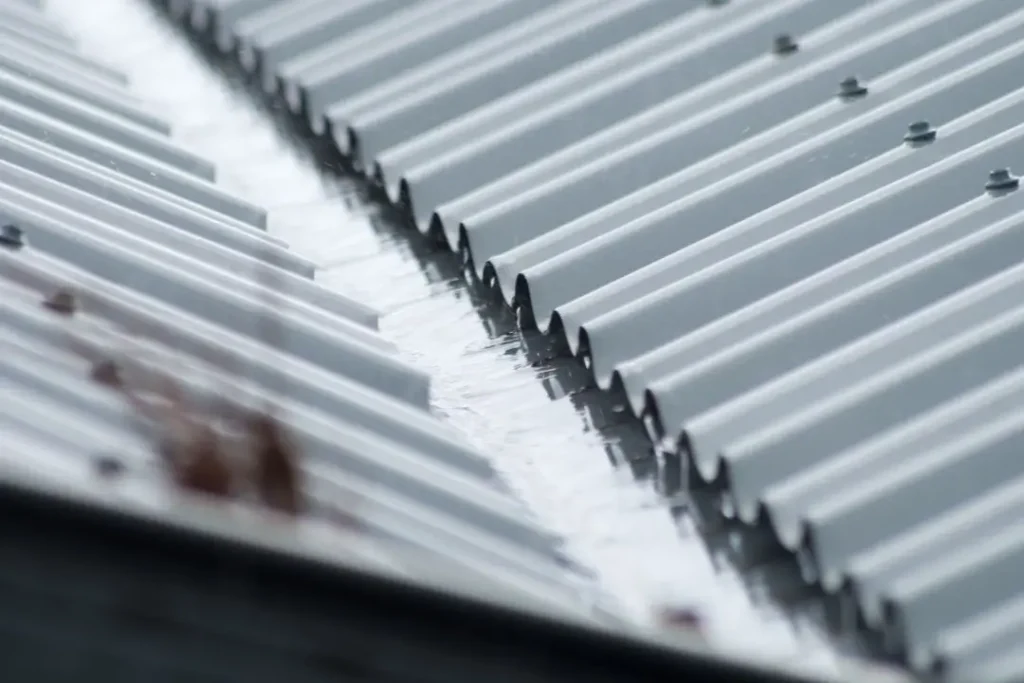
Valleys are the channels formed where two roof planes meet, and they carry a high volume of water during heavy rain. Debris builds up in valleys over the dry season, and if that debris is not cleared, water can back up and find its way under the roofing material.
Low-pitch sections of roof are also more vulnerable to water pooling, particularly if the surface coating has worn away or the sheeting has started to corrode.
Signs Your Roof May Already Have a Problem
Some issues are visible before the wet season starts if you know what to look for. Water stains on ceilings, rust marks on external walls below the roofline, and paint bubbling near eaves are all indicators that moisture has already been getting in.
If you have noticed any of these signs that your roof has a problem, it is better to investigate now than to wait until a storm forces the issue. Repairs carried out under pressure during the wet season are more difficult, more expensive, and harder to schedule.
Cyclone Prep Goes Beyond the Roof Surface
Cyclone preparation for your roof is not just about the sheeting and gutters. The structural connection between the roof and the walls of the building matters significantly in high-wind events.
Roof-to-wall connections, tie-down straps, and the condition of the ceiling structure all factor into how a roof performs under cyclonic conditions. Preparing your property for the wet season and tropical cyclones involves checking these structural elements, not just the visible roof surface. A professional inspection will cover these areas in a way that a visual check from the ground cannot.
A Practical Pre-Wet Season Roof Checklist
Use this as a starting point when assessing your roof before the season begins.
- Clear gutters and downpipes of all debris
- Check that downpipes are discharging water away from the building
- Inspect visible flashings for cracking, lifting, or failed sealant
- Look for loose, missing, or corroded roof fixings
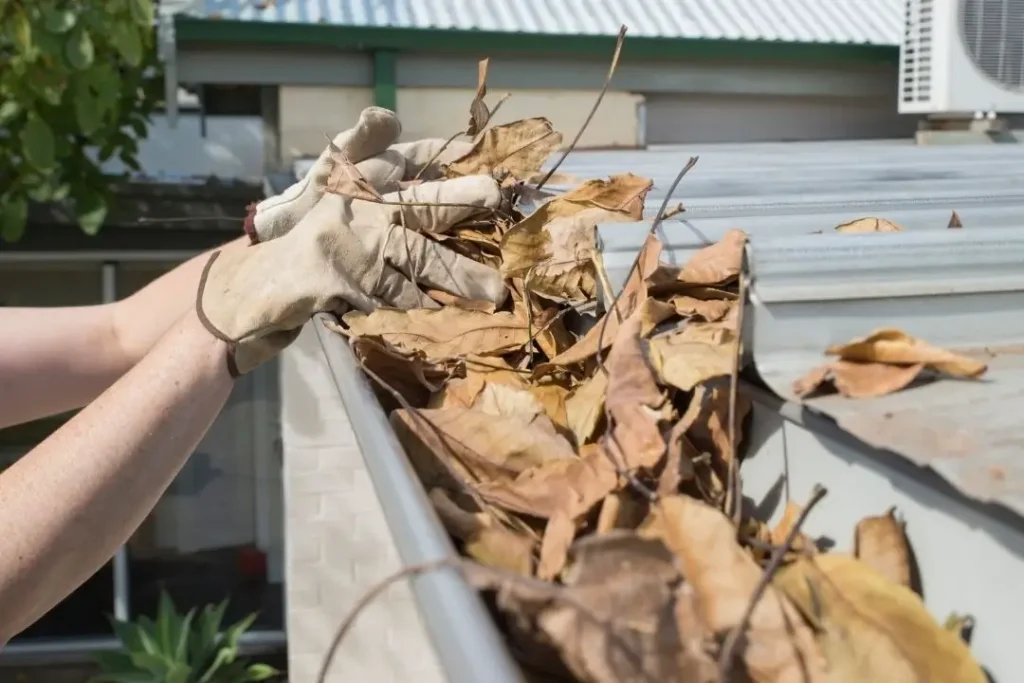
- Clear debris from roof valleys
- Check the roof space for signs of corrosion or structural movement
- Look for water stains on ceilings or walls inside the building
- Confirm gutters are sitting level and secured to the fascia
If any of these checks reveal a problem, or if you are unsure what you are looking at, a professional inspection before the wet season is the most practical next step.
When to Call a Roofer Before the Season Starts
Not every homeowner is comfortable getting on the roof, and some issues simply cannot be assessed properly from the ground. A licensed roofer will check fixings, flashings, structural connections, and the roof space in a single visit.
Booking early matters in Darwin. Roofers get busy as the wet season approaches, and availability tightens quickly once the first storms arrive. Leaving it until late in the dry season means fewer options and longer wait times for repairs.
Book Your Pre-Wet Season Roof Check
If you want a clear picture of your roof’s condition before the rains arrive, our team carries out roof inspections Darwin homeowners can book ahead of the wet season. We check fixings, flashings, gutters, valleys, and the roof space so you know exactly what needs attention.
To arrange an inspection or ask about repairs, send us a message through our enquiry form or call us directly on (08) 7918 1849.