How Roof Problems Usually Start
Most roof problems don’t appear overnight. They develop gradually, and by the time something obvious shows up inside your home, the damage outside has often been building for months.
Darwin’s climate makes this worse. The wet season puts roofs under sustained pressure, and the dry season’s heat causes materials to expand and contract repeatedly. Both cycles wear things down faster than many homeowners expect.
Knowing what to look for, both inside and outside your home, means you can act before a minor issue becomes a costly one.
What You Might Notice Inside First
Water Stains on Ceilings or Walls
A yellow or brown ring on your ceiling is one of the clearest signs of a roofing problem that needs attention. These stains form when water penetrates the roof and soaks through insulation or ceiling sheeting before drying out and leaving a mark.
The stain won’t always appear directly below the entry point. Water travels along rafters and beams before dripping, so the visible mark can be some distance from where the leak actually starts.
Damp Patches or Mould Growth
Persistent damp patches on internal walls or ceilings, especially after rain, point to water getting in somewhere it shouldn’t. Mould growth in ceiling corners or along wall edges often follows.
In Darwin’s humidity, mould spreads quickly once moisture is present. If you’re seeing mould in areas that aren’t near a bathroom or kitchen, the roof is worth investigating.
Peeling Paint on Interior Ceilings
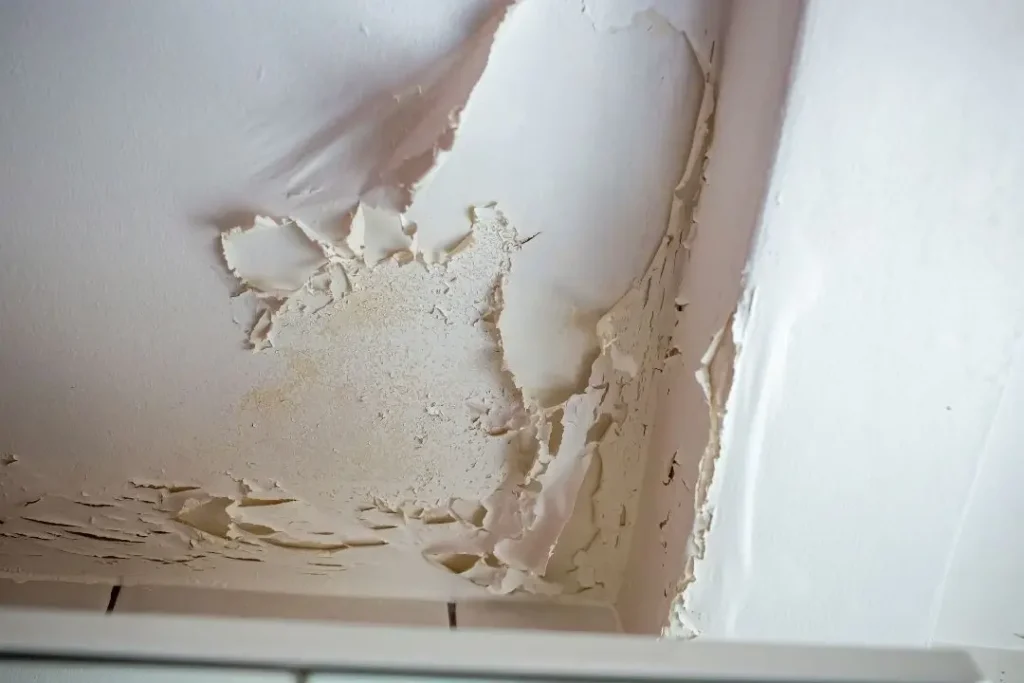
Paint that bubbles or peels away from a ceiling is often caused by moisture sitting above it. This is easy to dismiss as an old paint job, but it frequently signals water infiltration from above.
What You Might Notice Outside
Cracked, Broken, or Missing Tiles
Damaged tiles are one of the more visible signs of roof wear. A single cracked tile might seem minor, but it creates an opening for water to get under the roofline and into the structure below.
After a storm, it’s worth walking around your property and looking up at the roofline from ground level. Missing or displaced tiles are usually visible without needing to climb up.
Sagging Sections of the Roof
A roofline that dips or sags in the middle is a structural concern. This can result from prolonged water damage weakening the timber framing, or from other forms of structural deterioration.
In the Northern Territory, termites are a known cause of timber damage in roof framing and other structural building elements. A sagging roof should always be assessed by a professional, not just monitored.
Rust or Corrosion on Metal Roofing
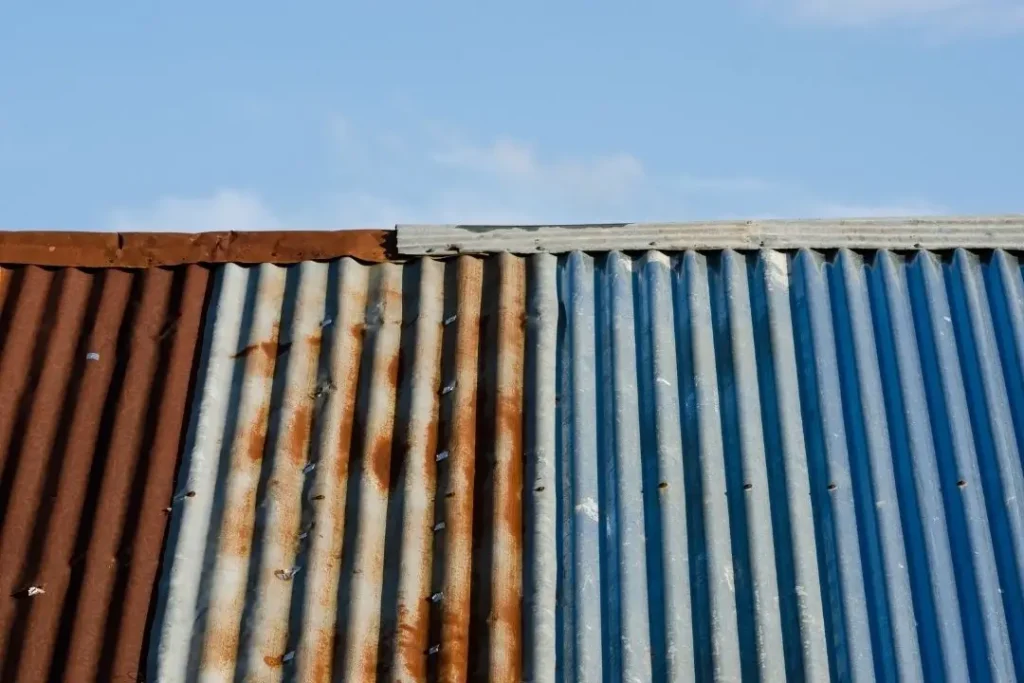
Colorbond and corrugated metal roofing is common across Darwin. Surface rust can develop around fasteners, along laps, or near gutters, and once it takes hold, it spreads.
Small rust spots can often be treated early. Left alone, they eventually eat through the sheet and create leaks that are harder to repair.
Blocked or Damaged Gutters
Gutters that overflow during rain, pull away from the fascia, or show signs of rust and cracking affect how water leaves your roof. When gutters fail, water backs up under the roofline or runs down the external walls instead of away from the building.
Older Roofs Need Extra Care
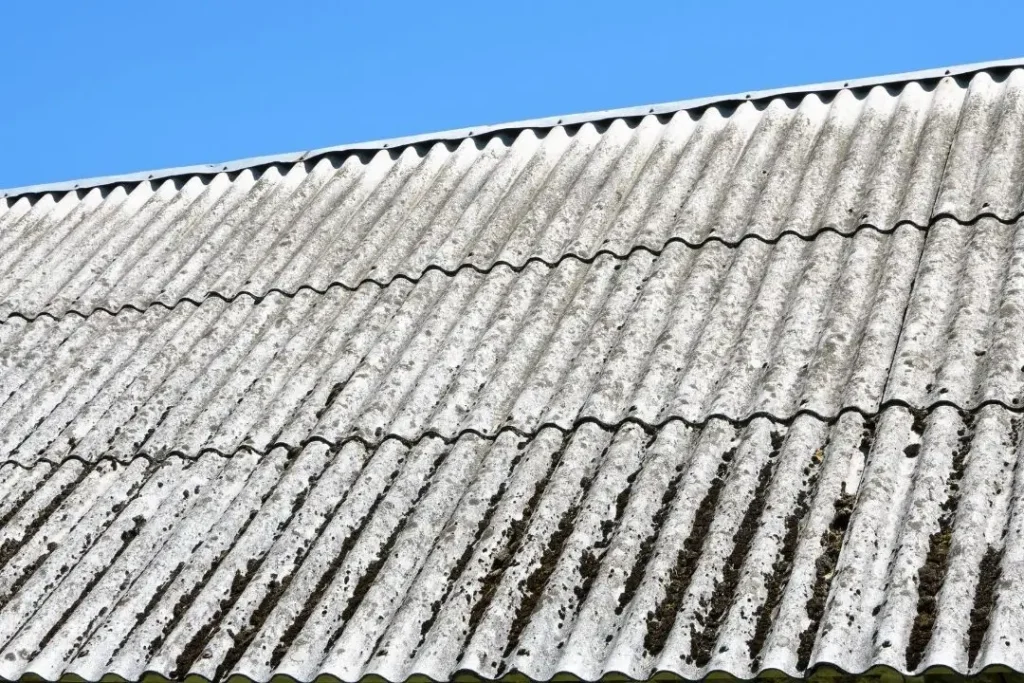
If your home was built before the mid-1980s, some roofing and building materials may contain asbestos. Building materials containing asbestos were commonly used in roof sheeting, gutters, and eaves before asbestos was phased out of construction.
Damaged or deteriorating materials on an older roof should not be handled without knowing what they contain. A professional inspection will identify any materials that require careful management before repair work begins.
How to Tell If the Problem Is Urgent
Not every roof issue requires emergency action, but some do. Active water entry during rain, a visibly sagging roofline, or large sections of damaged or missing material all warrant prompt attention.
Smaller issues, such as a few cracked tiles or early-stage rust, are still worth addressing quickly. Roof problems rarely stay contained. They tend to expand with each wet season.
If you’re unsure how serious the damage is, a professional roof inspection gives you a clear picture without guesswork. An inspector can identify damage that isn’t visible from the ground and tell you what needs to be done now versus what can wait.
What to Do Once You’ve Spotted a Problem

Document what you’ve seen, including photos of stains, damaged tiles, or anything unusual. This helps a roofing professional assess the situation quickly and accurately.
Avoid climbing onto the roof yourself. Roof surfaces in Darwin can be slippery, particularly after rain, and the pitch and height of many residential roofs make this genuinely dangerous.
Contact a qualified roofer to carry out a proper damage assessment. For roof repairs Darwin homeowners can rely on, it’s important to use a licensed tradesperson who understands local conditions and building requirements.
Talk to Someone Before the Wet Season Gets Worse
If you’ve noticed any of the signs above, the right move is to get a professional set of eyes on your roof sooner rather than later. Darwin’s wet season doesn’t give much warning, and a small problem can become a significant one after a single heavy downpour.
Call us on (08) 7918 1849 to talk through what you’ve noticed, or send us a message through our roof repair enquiry form and we’ll get back to you promptly.