Darwin’s climate puts roofs through more stress than almost anywhere else in Australia. Intense wet seasons, cyclonic winds, and relentless UV exposure mean the choice between metal and tile roofing carries real consequences for your home’s safety, comfort, and long-term costs.
Both options are used across Darwin, and both have genuine strengths. The right choice depends on your property type, budget, and what you’re most trying to protect against.
How Each Material Handles Darwin’s Wet Season
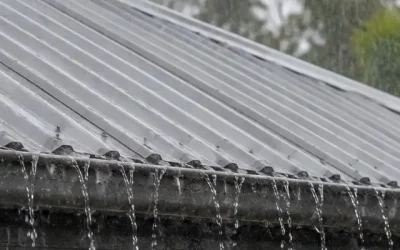
Heavy tropical rain is the defining roofing challenge in Darwin. Metal roofing, particularly Colorbond steel, sheds water quickly due to its smooth surface and steep-pitch installation. There are no grout lines, no porous surfaces, and no joints where water can pool.
Concrete and terracotta tiles are more porous by nature. Over time, the surface coating on concrete tiles can degrade, allowing the tile to absorb moisture. In Darwin’s extended wet season, this can accelerate wear and increase the risk of a roof leak after heavy rain if tiles crack or the bedding beneath ridge caps deteriorates.
Metal roofing does have one acoustic drawback: rain noise. On a corrugated iron or Colorbond roof without adequate insulation batts, a heavy downpour is loud. Tiles are significantly quieter in this regard.
Cyclone Performance: What the Ratings Actually Mean
Darwin sits in a high wind region, and any roofing material installed here must comply with Australian Standard AS 4055 and the relevant cyclone codes for the Northern Territory. Both metal and tile roofing can be installed to meet these requirements, but the method of installation matters as much as the material itself.

Metal roofing fixed with the correct screw pattern and batten spacing performs well under cyclonic uplift forces. The sheets are continuous, which reduces the number of individual fixing points compared to a tiled roof. Tiles, by contrast, rely on each individual tile being correctly nailed or clipped. If a tile is loose or incorrectly fixed, it becomes a projectile risk in high winds. Understanding cyclone code requirements and wind ratings is essential context for any Darwin roofing decision.
Neither material is inherently safer than the other if the installation is substandard. The quality of the installation is what determines how a roof performs when a cyclone passes through.
Heat, Insulation, and Living Comfort
Metal roofing absorbs and radiates heat, which is a real concern in Darwin’s dry season when temperatures regularly exceed 35 degrees. Without sarking and insulation batts beneath the sheets, a metal roof can significantly increase ceiling temperatures. With proper insulation, this is largely managed.
Colorbond steel is available in a range of colours with varying solar reflectance values. Lighter colours reflect more heat. The Colorbond steel product range includes options specifically designed for thermal performance in Australian conditions, which is worth factoring into your colour selection.
Tiles have natural thermal mass, meaning they absorb heat slowly and release it gradually. In theory, this can moderate temperature swings. In practice, Darwin’s overnight temperatures during the dry season are still warm, so the benefit is less pronounced than it would be in a southern climate.

Weight, Structure, and What Your Home Can Support
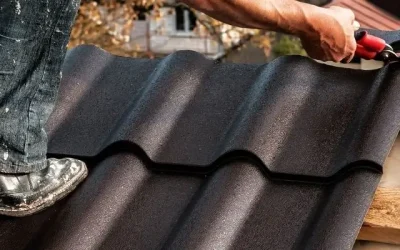
Tile roofing is significantly heavier than metal. A concrete tile roof can weigh six to ten times more per square metre than a Colorbond sheet roof. This matters because older Darwin homes may not have roof structures designed to carry that load.
If you’re replacing an existing tile roof with tiles, the structure has already been built for that weight. If you’re switching materials, a structural assessment is needed before any work begins. Converting from tiles to metal is generally straightforward. Going the other direction requires engineering input and potentially significant structural upgrades.
Maintenance Costs Over Time
Metal roofing requires relatively little maintenance when installed correctly. Gutters need clearing, and any penetrations such as skylights or vents should be checked periodically, but the roof surface itself is low-maintenance. Colorbond carries a manufacturer’s warranty against chipping, peeling, and cracking under normal conditions.
Tile roofs need more regular attention. Individual tiles crack and need replacing. Ridge cap bedding and pointing deteriorates over time and needs repointing every ten to fifteen years. In Darwin’s climate, moss and lichen growth on tiles can also become an issue, particularly in shaded areas.
Over a twenty-year period, the maintenance cost difference between a well-installed metal roof and a tile roof is meaningful. Metal generally comes out ahead on ongoing costs.
Upfront Cost Comparison
Metal roofing is typically less expensive to install than tile roofing. The materials cost less, the installation is faster, and the labour component is lower. For a standard Darwin home, the difference can be several thousand dollars depending on roof size and complexity.

Tile roofing costs more upfront due to the weight of materials, the time required to lay individual tiles, and the additional structural considerations. Premium terracotta tiles sit at the higher end of the cost range.
If budget is a primary concern, metal roofing is the more accessible option for most homeowners. The cost of a roof replacement Darwin properties require varies, so a site assessment will give you accurate figures rather than rough estimates.
Aesthetics and Property Value
This is genuinely subjective. Corrugated metal roofing suits Darwin’s tropical vernacular architecture well and is a common sight across the Top End. It reads as practical and appropriate for the climate.
Tile roofing tends to be associated with more formal or traditional home styles. In some markets, buyers perceive tiles as a premium finish. Whether that translates to measurable property value in Darwin depends on the suburb, the buyer pool, and the overall condition of the home.
Neither material will hurt your property value if it’s in good condition and correctly installed. A poorly maintained tile roof or a rusting metal roof will both affect a sale.
Which One Is Actually Better for Darwin?
For most Darwin homes, metal roofing is the more practical choice. It handles the wet season well, performs reliably under cyclonic conditions when correctly installed, costs less upfront, and requires less maintenance over time. With the right insulation and colour selection, heat performance is manageable.

Tile roofing is a reasonable choice if you prefer the aesthetic, your home’s structure already supports the weight, and you’re prepared for higher ongoing maintenance. It’s not a poor option, but it requires more active upkeep in Darwin’s conditions.
The decision ultimately comes down to your priorities. If you’re focused on durability, cost efficiency, and low maintenance, metal wins. If aesthetics and acoustic comfort are your primary concerns, tiles are worth the trade-offs.
Talk to a Darwin Roofer Before You Decide
The best way to make this decision confidently is to have someone assess your specific roof, structure, and situation. What works for one home may not suit another, particularly if your property is older or has an unusual roof pitch or layout.
Our team works across Darwin on both metal and tile roofing projects. If you’d like an honest assessment of which option suits your home, reach out through our enquiry form or call us directly on (08) 7918 1849.